
Understanding the psychology behind gambling behavior in casinos
The Allure of Risk: Why People Gamble
The thrill of taking risks is a fundamental aspect of human nature. In casinos, this attraction manifests itself in the form of games that promise the potential for significant rewards. The excitement of not knowing whether a bet will pay off can create a heightened emotional state, making gambling an appealing escape from everyday life. This psychological high is often amplified by the environment of the casino, filled with bright lights, sounds of winning, and an atmosphere that encourages participation. For those interested in the latest offerings, you might want to check out a new kiwi casino that caters to your preferences.

This allure is further enhanced by the concept of “near misses,” where players come close to winning but ultimately do not. Research shows that these near misses can motivate players to continue gambling, as they create a sense of anticipation and hope. This psychological trickery keeps players engaged, even when they are losing, ultimately leading to a cycle of increased play and expenditure.
The Role of Cognitive Biases in Gambling
Cognitive biases play a significant role in how individuals perceive their chances of winning. Many gamblers overestimate their luck or skill, believing that they can outsmart the odds. This illusion of control is a common cognitive distortion where individuals feel they have influence over random events. This perception can lead to continued gambling, even in the face of consistent losses, as individuals rationalize their behavior with thoughts of eventual success.
Another prevalent cognitive bias in gambling is the “gambler’s fallacy.” This belief suggests that past events can influence future outcomes, leading players to think that a win is ‘due’ after a series of losses. Such misconceptions can perpetuate gambling behavior, as players become convinced that their fortunes will change if they continue to play. Understanding these biases is crucial for both players and casinos to foster a more responsible gambling culture.
The Emotional Rollercoaster of Gambling
Gambling is not just a financial activity; it is an emotional experience. The highs of winning can lead to euphoria, while losses may result in feelings of regret or despair. This emotional rollercoaster is a major factor that keeps players returning to casinos. The anticipation of a win activates the brain’s reward system, releasing dopamine and reinforcing the behavior of gambling.
These emotional responses can lead to addiction in some individuals. When gambling becomes a primary source of emotional regulation, the line between enjoyment and compulsion blurs. For many, the casino environment is not merely a place to gamble; it becomes an escape from reality, making it even more important to understand the emotional aspects of gambling behavior.
The Impact of Casino Design on Player Behavior
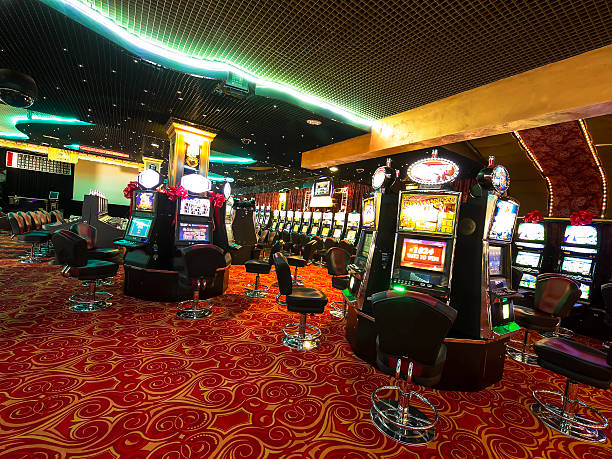
The design and layout of casinos play a pivotal role in influencing gambling behavior. Casinos are strategically designed to maximize engagement, with features like open layouts, lack of clocks, and enticing sounds that encourage prolonged play. The architecture is crafted to create a sense of excitement and wonder, often leading players to lose track of time and money.
Additionally, casinos utilize various sensory elements—such as lighting, music, and scent—to create an immersive experience. These factors can enhance the emotional highs associated with gambling, making it even harder for players to leave. Understanding how these design elements affect player behavior can inform more responsible practices within the gambling industry.
Conclusion: Navigating the World of Gambling Responsibly
Understanding the psychology behind gambling behavior is essential for fostering a safe and enjoyable casino experience. By recognizing the cognitive biases, emotional responses, and environmental factors at play, players can make more informed choices about their gambling habits. Casinos also have a responsibility to create a safe environment that promotes responsible gambling practices.
As players seek thrilling experiences, it is crucial to balance enjoyment with awareness of the risks involved. Ultimately, educating oneself about the psychological factors at play can lead to a healthier relationship with gambling, whether in physical casinos or online platforms. Responsible gambling should always be at the forefront of the casino experience.