
The evolution of casinos tracing history through games and culture
The Ancient Origins of Gambling
The origins of gambling can be traced back to ancient civilizations, where games of chance were often woven into the social fabric of communities. Evidence suggests that as early as 3000 BC, the Chinese were playing games with dice, while the Romans engaged in betting on gladiatorial contests and chariot races. These activities laid the groundwork for what would eventually evolve into modern casinos. Today, enthusiasts can also explore the offerings of the Juliuscasinoeu online casino, where the thrill of ancient games meets contemporary designs.

In addition to entertainment, gambling served as a reflection of cultural values and societal norms. For instance, in Ancient Rome, wagering on the outcomes of games was not only a pastime but also a means of fostering camaraderie among citizens. This blend of social interaction and competition established early gambling as a vital part of cultural identity.
The Rise of Formal Gambling Houses
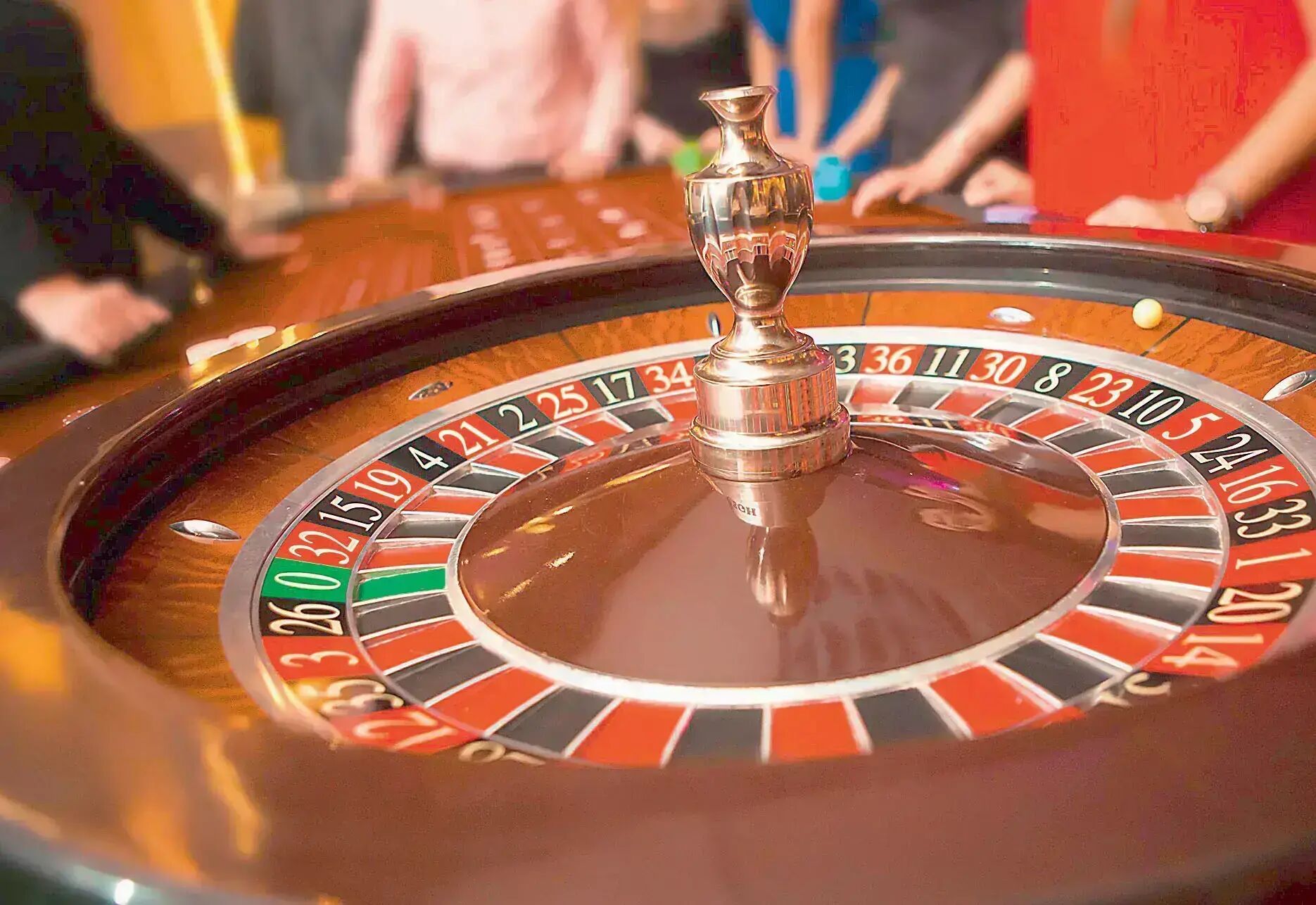
The transition from informal gambling to structured establishments occurred during the Renaissance in Europe. The first official casino, the Ridotto, opened in Venice in 1638, providing a regulated environment for gambling. This era witnessed the creation of various games, such as baccarat and roulette, which attracted the affluent and became symbols of high society.
As casinos began to proliferate across Europe, they started to embody the glamour and sophistication of their locations. The elegance of these gambling houses was reflected in their architecture and design, attracting not only gamblers but also the elite seeking entertainment. This evolution marked a significant shift in the perception of gambling from a mere pastime to an esteemed social activity.
The Impact of Technology on Gambling
The late 19th and early 20th centuries saw a technological revolution that profoundly impacted casinos. The invention of mechanical slot machines by Charles Fey in the 1890s transformed the gambling landscape. These machines introduced a new form of play that was accessible to a broader audience, further popularizing gambling beyond elite circles.
The introduction of electronic gaming machines and the advent of online gambling in the late 20th century marked another pivotal moment. Online casinos expanded the accessibility of games, allowing players from around the globe to engage in gambling activities from the comfort of their homes. This technological advancement not only democratized gaming but also created new cultural phenomena surrounding online gambling.
The Cultural Significance of Casinos Today
Today, casinos hold a unique place in global culture, serving as both entertainment hubs and symbols of societal change. The integration of themed casinos, such as those reflecting historical events or popular movies, demonstrates how these establishments continue to adapt and reflect contemporary cultural trends. Cities like Las Vegas and Macau have become synonymous with gambling, drawing millions of tourists each year.
Moreover, the portrayal of gambling in media—from films to video games—has further cemented its role in modern culture. These representations often spark discussions about addiction, luck, and the moral implications of gambling, highlighting the complex relationship society has with casinos and gaming.
Exploring Julius Casino
As the evolution of casinos continues, platforms like Julius Casino are at the forefront of this transformation. The online casino offers a diverse range of games, from classic slot machines to live dealer experiences, all within a user-friendly interface. By capturing the essence of ancient themes and integrating modern technology, Julius Casino provides players with an engaging gaming environment.
With attractive promotions and a commitment to responsible gaming, Julius Casino prioritizes user experience while ensuring safety and security. As gambling culture continues to evolve, such platforms not only reflect the history of casinos but also pave the way for future innovations in the gambling industry.